Drug abuse in Sierra Leone has reached an alarming level, tearing through communities and putting an entire generation at risk. What once seemed like a social problem has now escalated into a full-blown national emergency, posing a threat to the country’s health system, economic stability, and social development.
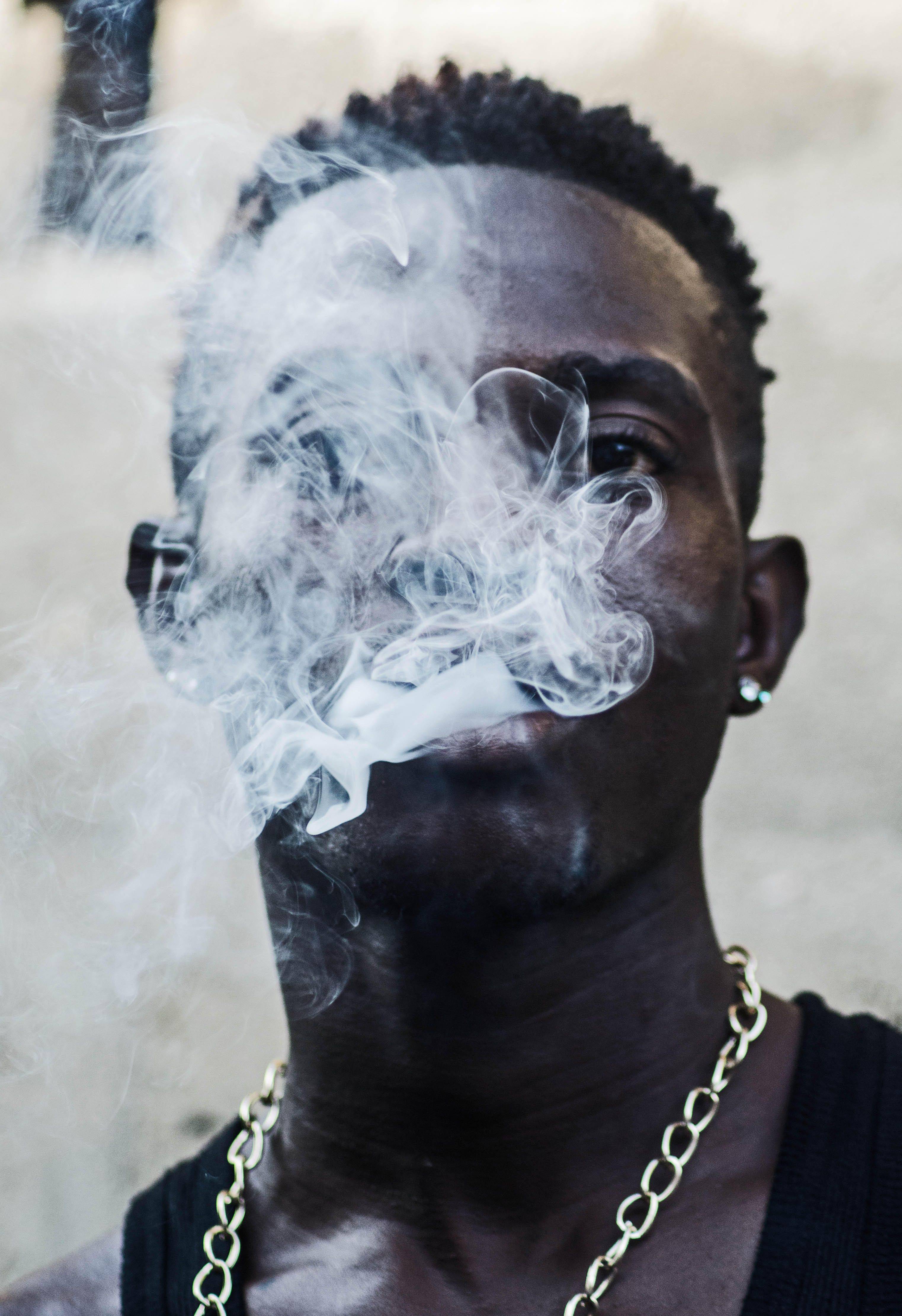
During a national address in 2024, President Julius Maada Bio warned: “Our country is currently faced with an existential threat due to the ravaging impact of drugs and substance abuse, particularly the devastating synthetic drug Kush.” His warning echoed what many Sierra Leoneans already knew: kush is destroying our nation’s youth.
Since the declaration, national attention to confront the crisis has intensified. But while law enforcement has been at the forefront of this response and remains important, especially to break the supply chain, it is increasingly clear that law enforcement alone is not enough. A more balanced, humane approach is urgently needed that combines enforcement with harm reduction strategies.
Government’s Response to the Drug Crisis So Far
When the government declared a national emergency on drug and substance abuse in April 2024, two main pillars shaped the response: law enforcement and public health.
Law enforcement has been the primary approach. The government created a national task force headed by the National Drug Law Enforcement Agency (NDLEA), working alongside the Sierra Leone Police (SLP) and the Republic of Sierra Leone Armed Forces (RSLAF). Their operations have resulted in over 300 arrests in major trafficking areas, such as Water Quay and Lungi Airport. The authorities have also held several public destructions of seized kush, chemicals used to make kush, and other drugs.
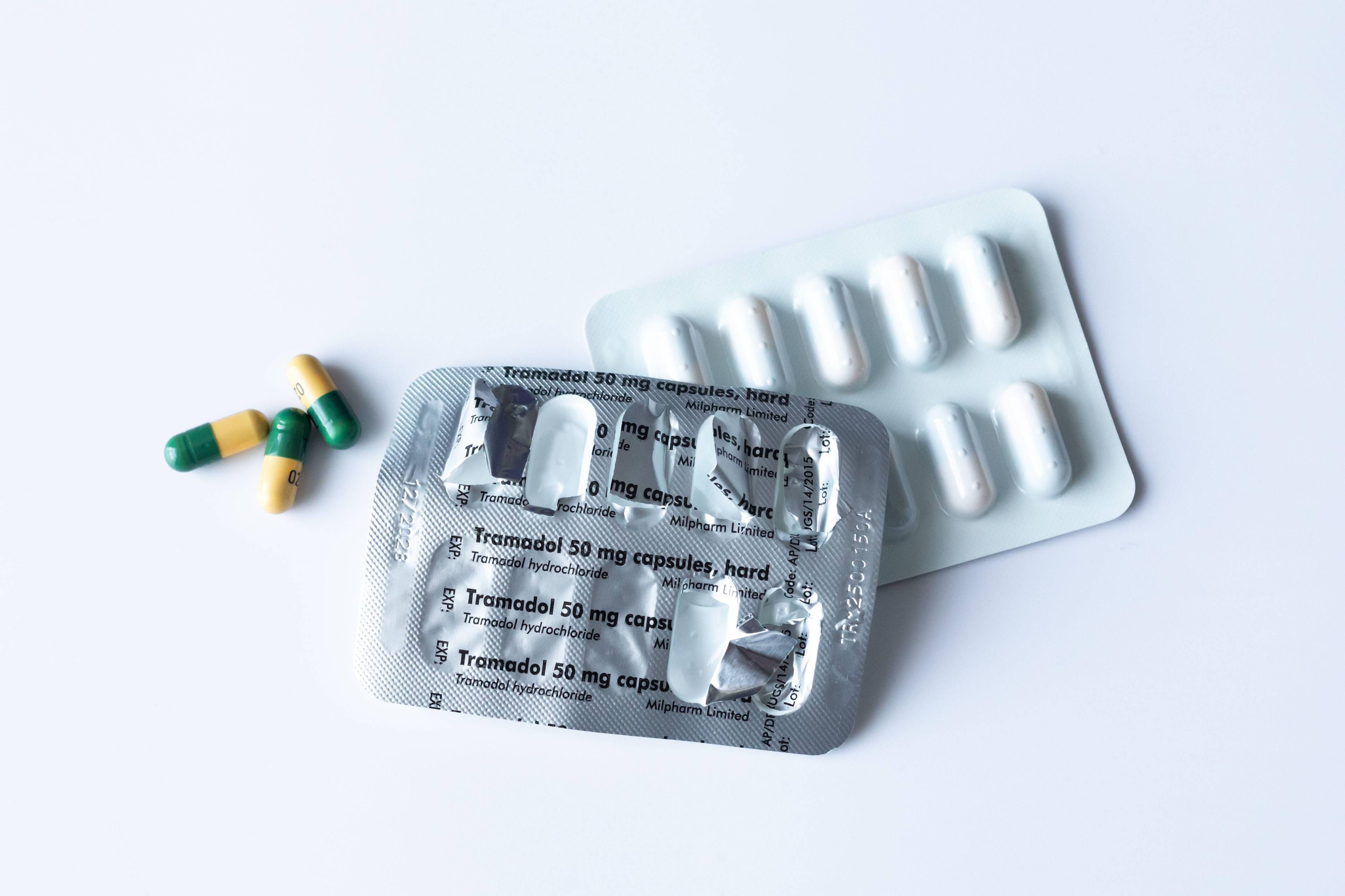
Yet, despite these arrests and public showings, the drug trade keeps going strong. Dealers who are caught are quickly replaced by others to continue the sale of drugs. Weak screening systems, corruption, and security gaps all hinder success. Meanwhile, drug use continues to climb. Data from the Ministry of Health in March 2025 revealed that 62% of young people in Sierra Leone are struggling with substance abuse. This includes heavy pharmaceutical drugs like the pain reliever, tramadol.
On the health side, the government has tried to expand treatment options by establishing new rehabilitation centres, providing counseling, and launching public education campaigns. The NDLEA has been running anti-Kush sensitization drives and treatment programs since 2021.
But the effectiveness of these initiatives has been questionable. The National Rehabilitation Centre in Hastings, for example, is underfunded and understaffed, only treating about 103 patients with mild symptoms from kush and other drug use. Care often falls short of accepted standards for treating substance abuse disorders and those needing more serious treatment often go without treatment.
Why Harm Reduction Should Be the Next Big Step
Evidence from people recovering from drug addiction, especially kush, points to one recurring truth: support from family, peers, and community members is more effective in dealing with drug abuse. Punishment and incarceration cannot replace compassion and rehabilitation.
That is where harm reduction comes in. Harm reduction focuses on reducing the negative impacts (social and legal) of drug abuse and the laws and policies surrounding it. This approach is not about encouraging drug use; it is about protecting life, dignity, and the chance for recovery. It ensures that people struggling with addiction are treated without stigmatization or discrimination or as criminals, but as individuals who need care.
Some progress has been made in this direction. The NDLEA has started offering first aid to drug users with sores and reactions caused by kush use, as well as free HIV testing and counseling for kush victims. However, with limited medical personnel and resources, these efforts remain small-scale. To be effective, harm reduction needs strong policy backing and must be built into Sierra Leone’s legal framework on drugs, not left as an afterthought.
Key Steps Toward a Smarter, More Humane Response
1. Reform drug laws: The National Drug Control Act of 2008 still centers on criminalization of drug use. It needs updating to emphasize treatment, prevention, and harm reduction rather than punishment of drug users.
2. Challenge stigma: Civil society organizations, religious leaders, educators, and the media must work together to shift public perception. Campaigns should humanize drug users and champion recovery, while discouraging drug use.
3. Integrate services: Building stronger links between law enforcement, hospitals, rehabilitation centers, and community groups will create a more coherent and sustainable system of care.
Sierra Leone’s battle against drugs is a multifaceted challenge that cannot be won by jailing users. While law enforcement has its place, to truly address the roots of the problem, the government’s approach must mix firm enforcement targeting suppliers and dealers with empathy, support, and evidence-based healthcare for those struggling with drug abuse. This will involve legislative reform, public education, and integrated health services. A shift toward harm reduction offers a more humane, effective, and sustainable path forward—one that prioritises public health, restores hope, and gives everyone a chance at recovery and dignity.