For many months, Sierra Leone has been caught in a storm of rising public frustration over compulsory National Identity Number (NIN) registration. This follows public directives from the Bank of Sierra Leone (BSL) and the National Telecommunications Authority (NaTCA) requiring citizens to link their NIN to bank accounts and SIM cards. Because the NIN is issued only with a National ID card, the directives have turned the ID from a convenience into a necessity. While holding a National ID is important, many citizens cannot afford the costs of obtaining one. As a result, the policy risks having deep economic impacts on those unable to meet the costs.
The Economic Threat to Financial Inclusion
The directives from the BSL and NaTCA pose serious threats to financial inclusion, especially in rural areas. Citizens who cannot afford to pay for a National ID risk being shut out of access to financial services. With Sierra Leone’s financial markets already weak, bank accounts remain essential for saving, credit, and formal transactions, while mobile money has become a crucial alternative.
A 2025 survey by the United Nations Capital Development Fund (UNCDF) shows that 25.4% of adults in Sierra Leone hold mobile money accounts, while only 15.1% have access to formal financial services like banks, formal credit and savings, and insurance. Since the COVID-19 pandemic, mobile money has become the main driver of financial inclusion, complementing banks and reaching rural and low-income populations that the formal financial system often overlooks. The new NIN directives, requiring National ID cards for account linkage, could therefore do more harm than good by restricting access to this essential service.
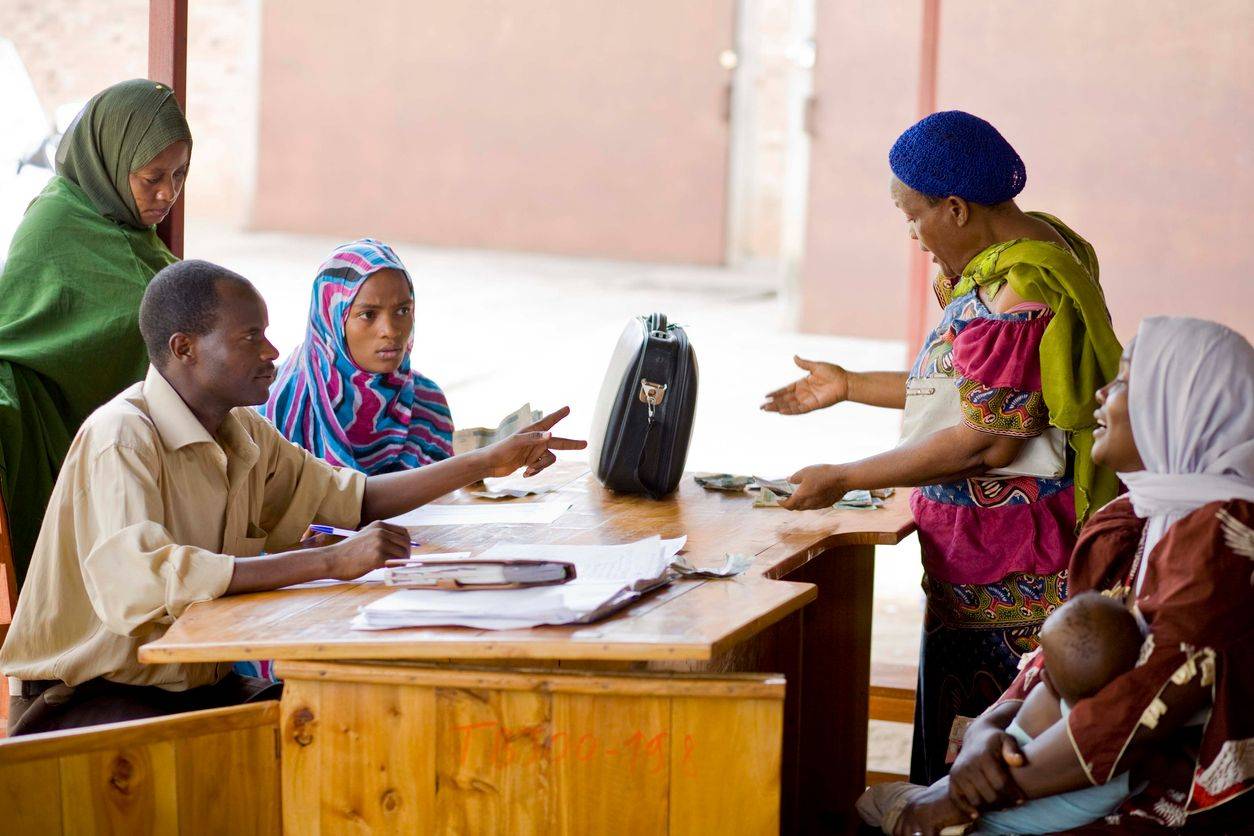
Citizens in rural communities face even greater barriers. According to the Ministry of Finance, 49% of citizens in urban areas have bank accounts compared to just 33% in rural areas. The same survey reveals that when mobile money accounts are included, the percentage of adults with access to any form of financial service rises from 15.1% to 32.9%, confirming that mobile money is key to bridging formal financial gaps. According to the UNCDF, only 8% of Sierra Leone’s rural population owns a bank account, while more than 21% use mobile money. For savings, 5.1% of citizens in rural areas rely on banks, compared to 9.8% through mobile accounts.
By making mobile phone services contingent on NIN registration, large numbers of citizens, especially those who are unable to pay for the ID or those in remote areas who cannot access ID registration offices, risk being cut off from the financial system entirely. This would undermine years of progress made through digital finance in improving rural livelihoods.
The impact extends beyond individuals. Small-scale traders and small business owners also face barriers, as acquiring a Tax Identification Number (TIN) now requires providing a National ID-linked NIN. Without affordable and accessible IDs, these citizens could lose access to payment systems and essential economic opportunities.
Crippling Rural Commerce and Digital Livelihoods
The new directives will also disrupt daily transactions. NaTCA and the National Civil Registration Authority (NCRA) mandated that all mobile users link their NINs to SIM cards by 30 September 2025. According to NaTCA and the mobile network operators (MNOs), failure to comply would block users from making calls, sending SMS messages, or conducting mobile money transactions.
This move contradicts Section 4 of the Telecommunications (Subscribers Identification and Registration) Regulations 2020, which permits multiple forms of identification for SIM registration. Beyond legality, the policy could have severe economic effects across Sierra Leone.
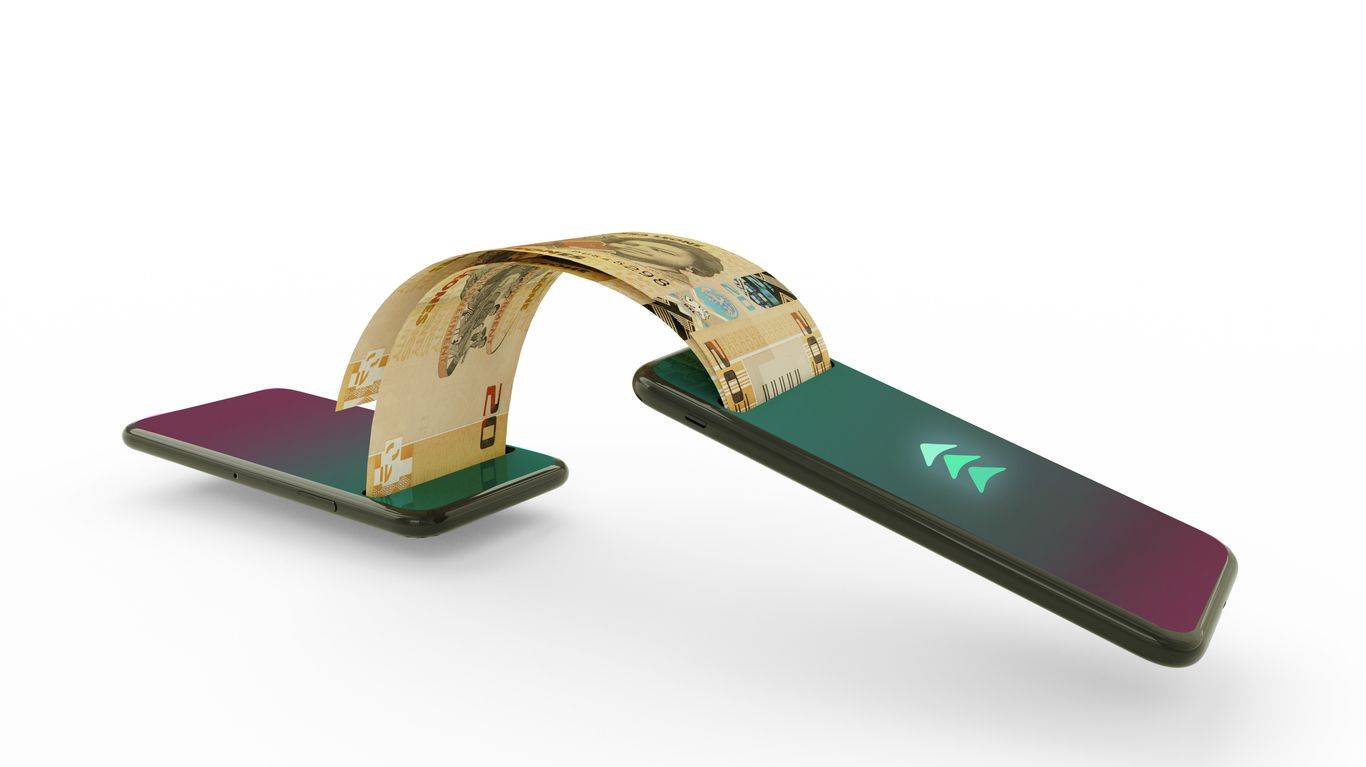
Mobile technology now reaches almost every corner of the country, with 93% 2G and 84% 3G coverage, often filling connectivity gaps in underserved areas. It has been a major boost to providing Sierra Leoneans in rural communities with tools for trade, communication, and mobile payments. Platforms such as Orange Money, AfriMoney, and Qmoney have made transactions faster and easier, reducing the need for bank visits and allowing small-scale vendors and entrepreneurs to participate in the digital economy.
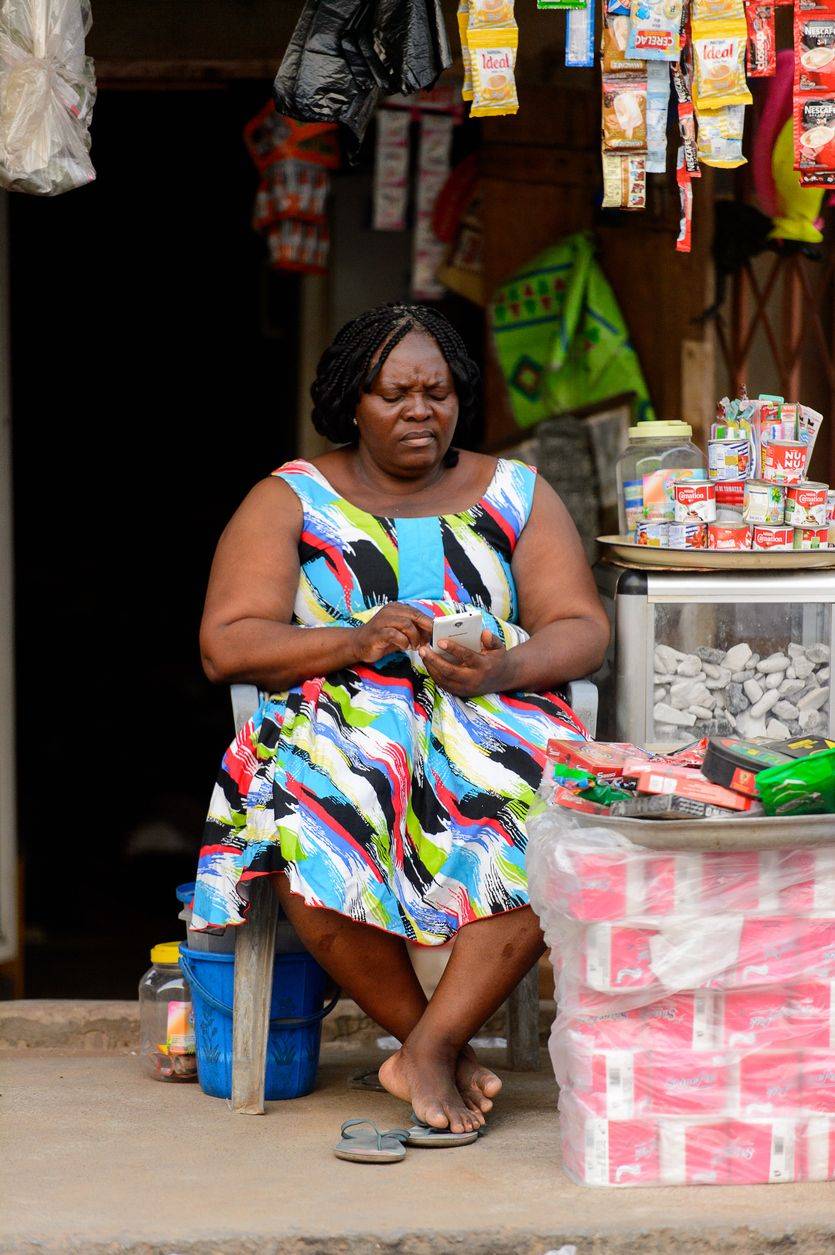
But these gains are fragile. For residents in rural areas who rely on mobile money to buy, sell, and send payments, the inability to complete the NIN-SIM linkage due to high cost or access challenges could destroy their livelihoods overnight. A farmer or petty trader who receives payments via mobile money or a small-time entrepreneur advertising goods via WhatsApp could lose both income and market access simply because they lack an affordable ID.
At a time when many Sierra Leoneans already face high poverty levels, such restrictions could deepen inequality, reverse digital progress, and isolate underserved rural communities further from the national economy.
A Clarion Call for Free Access to National ID Cards
Identity cards are necessary for verification, security, and fraud prevention. However, the law allows both government and private institutions to accept several forms of valid identification for citizens to access services. If a National ID card is the only proof required, then it must be easy and affordable for all citizens to obtain.
Currently, the cost of acquiring a National ID card ranges from Le 145 to Le 220, which is far beyond the means of most citizens. Additionally, travel expenses to NCRA offices further increase the burden, particularly for people in rural areas where registration centers are not easily accessible.
According to an April 2025 World Bank economic outlook report, over 60% of Sierra Leoneans live on less than Le 80 per day, and about 26% (approximately two million people) live on less than Le 50 (about US$2.15) per day. Given this reality, requiring payment for ID cards effectively denies the majority of Sierra Leoneans access to essential services linked to identification.
Ghana and Nigeria provide useful examples for Sierra Leone. Both countries have made first-time National ID registration free for citizens. Adopting a similar policy in Sierra Leone would ensure equal access and protect citizens, while also preventing the harmful economic impact of the current BSL and NaTCA directives.
The Way Forward
The NIN directives from BSL and NaTCA, combined with the cost of obtaining National IDs, threaten Sierra Leone’s economic stability and social inclusion. They risk disconnecting ordinary citizens, particularly those with low incomes or in rural communities, from mobile and financial services that sustain daily life.
To ensure fair and sustainable implementation, several steps must be taken:
- Respect existing laws. NaTCA must fully comply with the Telecommunications Regulations 2020, which allow alternative forms of identification for SIM registration.
- Make National ID registration free. If the government decides that the National ID is required for essential services, the law must be changed to reflect that and Parliament should legislate that first-time registration be free of charge.
- Expand access nationwide. ID enrollment centers should be more widely located, especially in remote areas, to reduce travel costs and improve accessibility.
Making National ID cards free and accessible is not only fair, it ensures no citizen is excluded from essential financial and communication services. Free access would strengthen inclusion, protect livelihoods, and uphold the rights of citizens.