
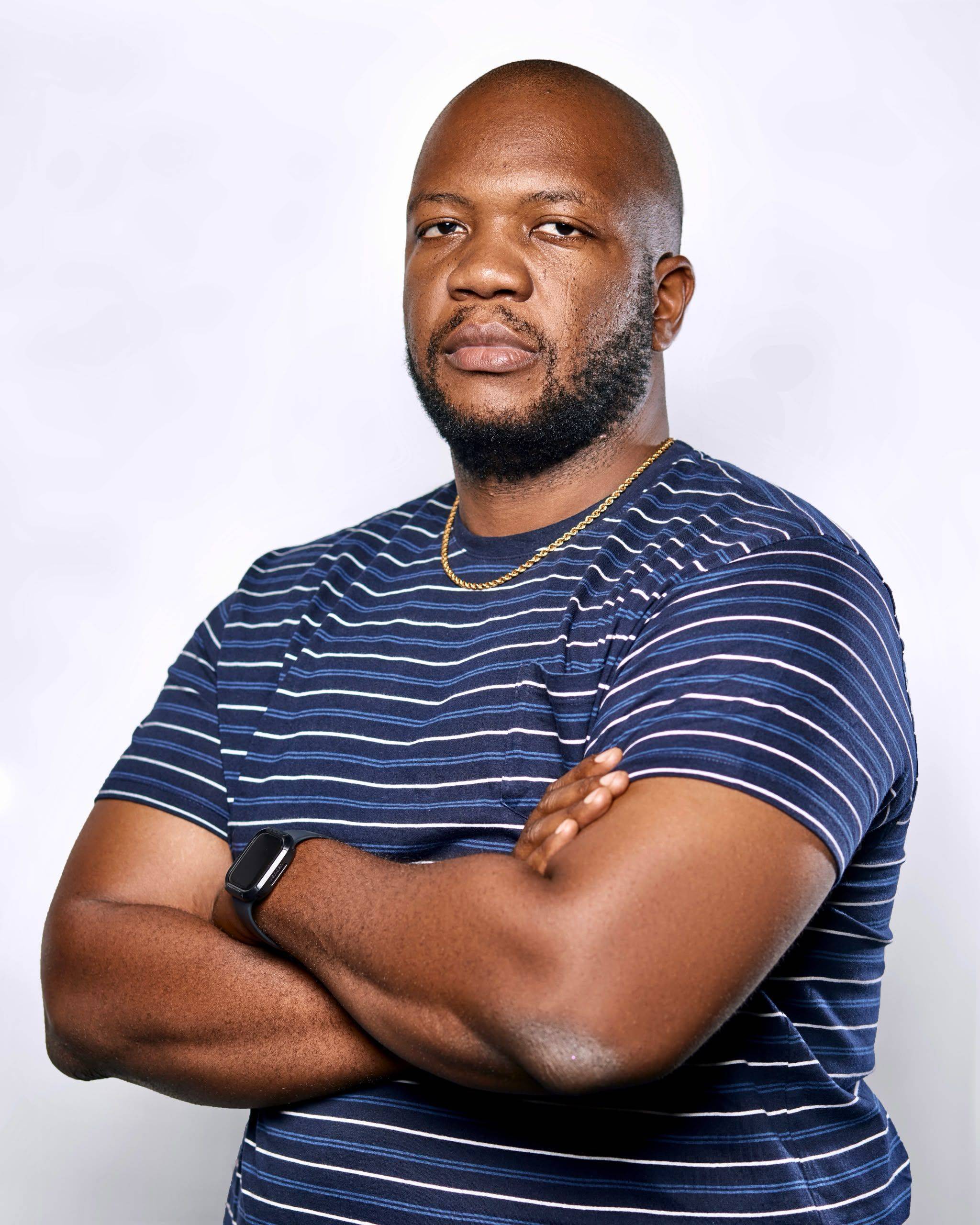
This was not the plan.
I know because I remember the plan.
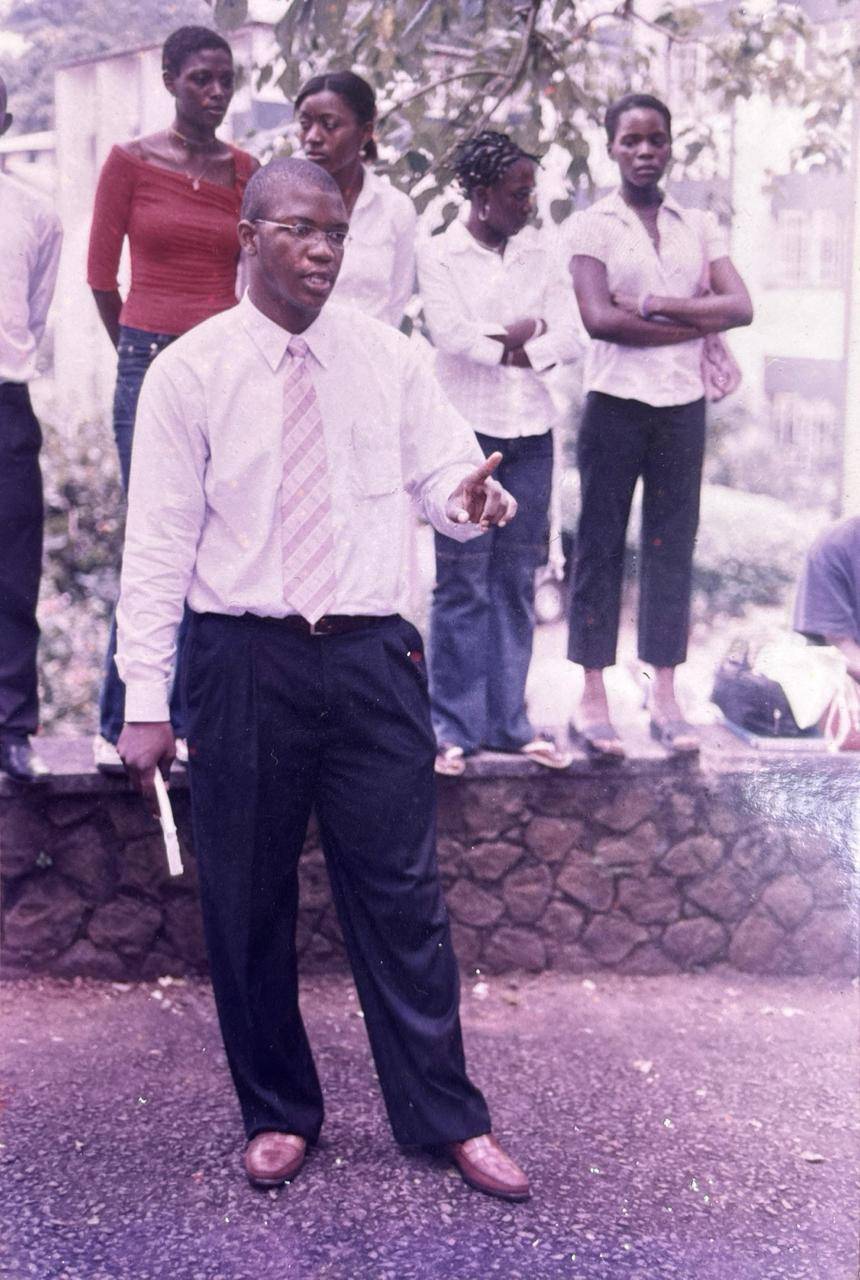
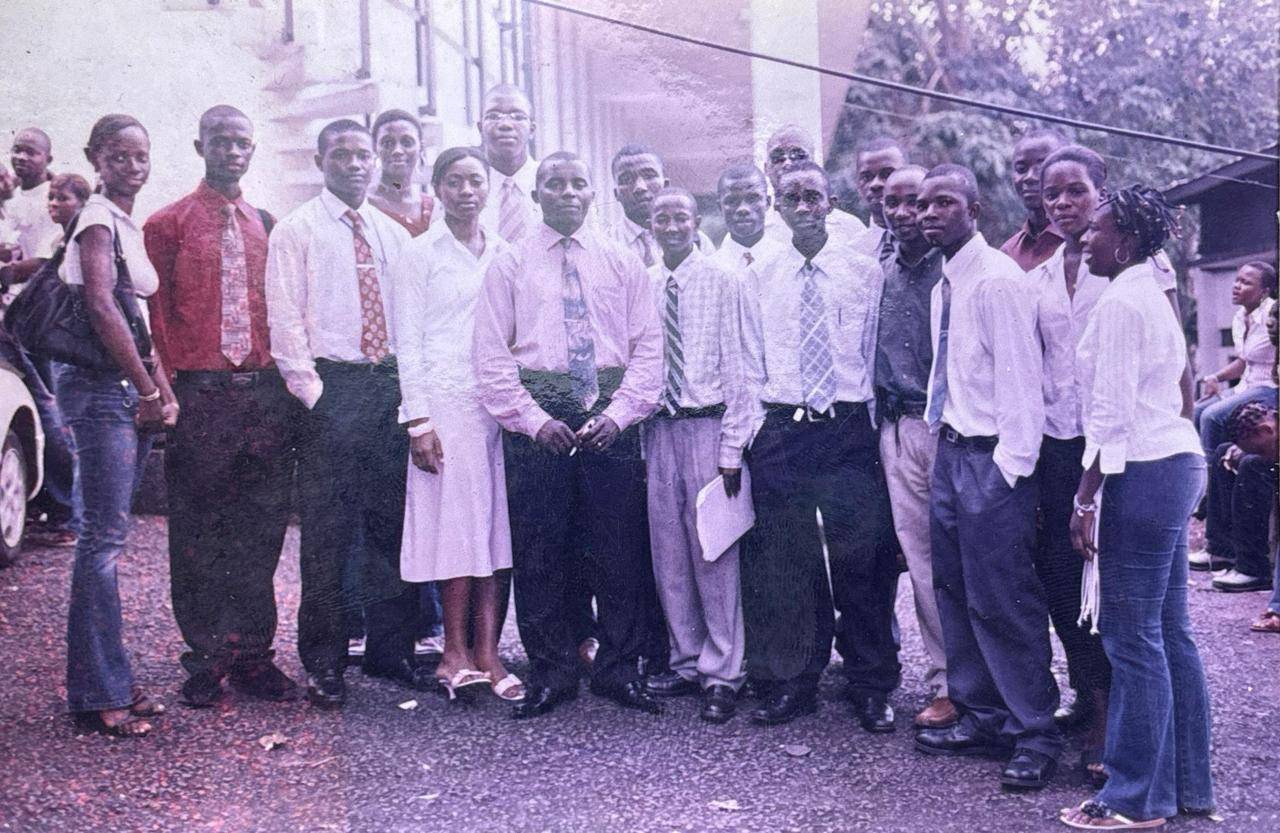
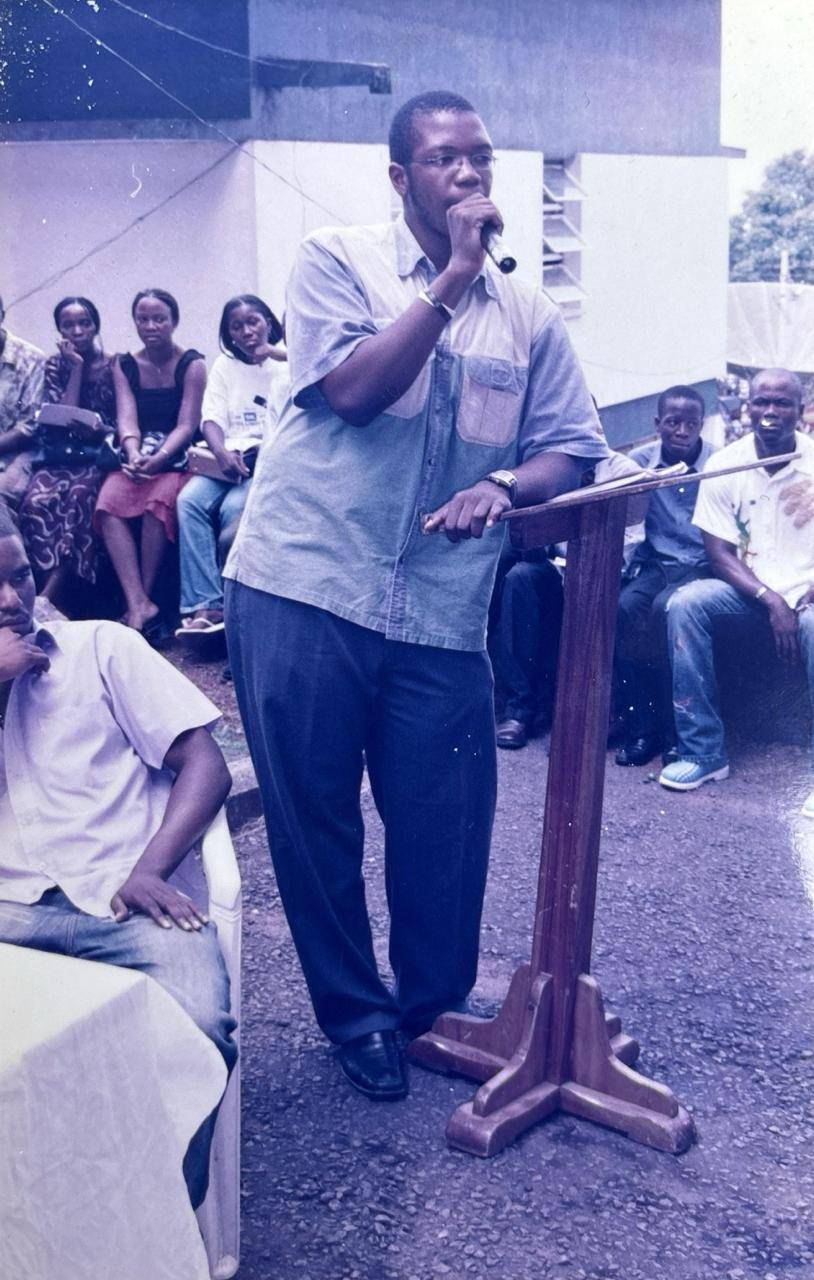
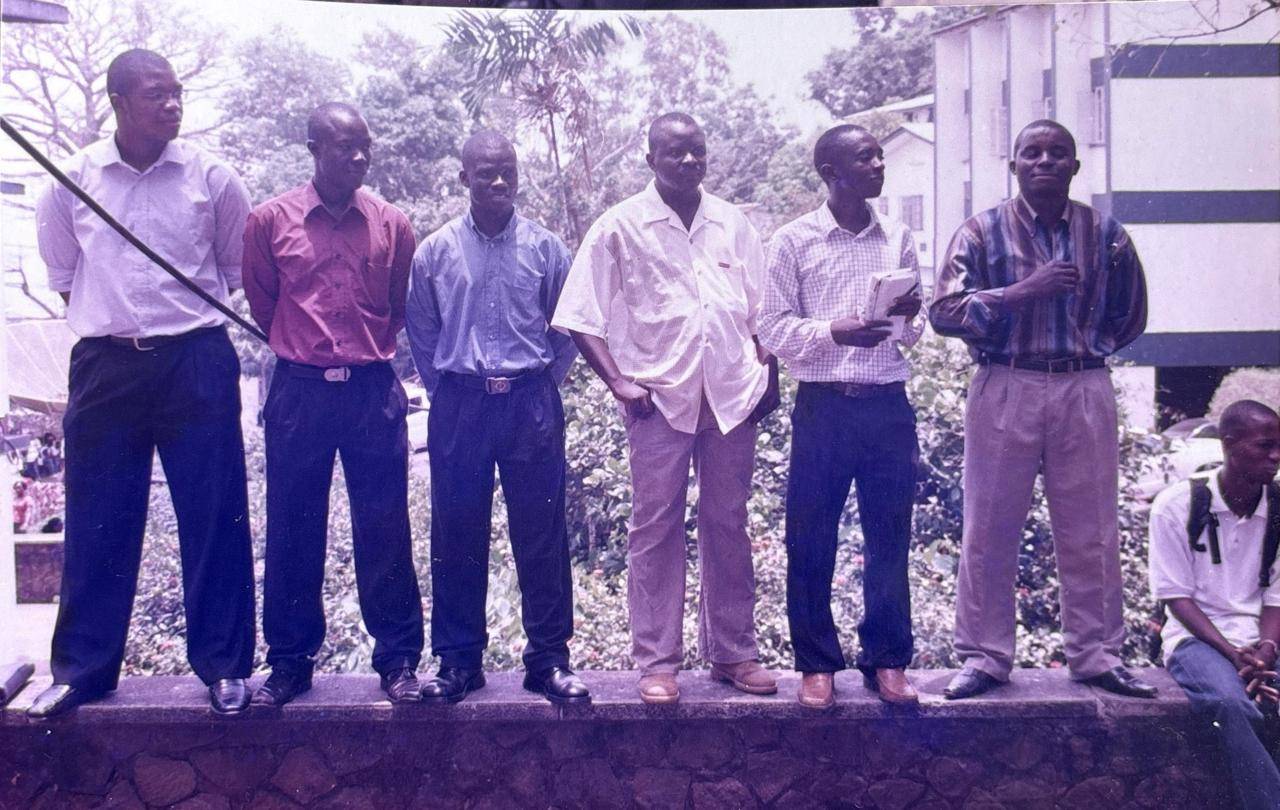
I remember us at Fourah Bay College - young, restless, loud with conviction. We had little power, but we had plenty to say about those who did.
We spent hours arguing at Kasseh Garden and Wisdom Tree about Sierra Leone as though the country was ours to remake.
We spoke of justice.
Of merit.
Of institutions that would be stronger than the men and women who occupied them.
Of a country where your surname would not determine your opportunity, where your tribe would not be your qualification, where your party colour would not decide whether wrong was wrong.
We were angry with the generation before us.
How could they have allowed this beautiful country to become so divided? How could intelligent people defend what they knew was wrong? How could good people remain silent simply because their friends were in power?
We were certain we would be different.
This was not the plan.
The plan was that when our generation finally got its chance, we would break the cycle. That we would enter government and remember what it felt like to stand outside it. That we would enter institutions and strengthen them, not bend them. That when power eventually knocked on our doors, we would answer, but we would not leave our convictions outside.
And then power came. Not to all of us. But to enough of us.
The boys and girls of FBC became Honourables and Ministers. Advisers and Directors. Lawyers and senior public servants. Party officials and communicators. People whose phone calls are now answered. People who sit in rooms where decisions are made.
We arrived.
But I sometimes wonder whether we arrived with ourselves.
Because somewhere between Mount Aureol and the corridors of power, our language began to change. The things we once called wrong became complicated. The things we once called corruption required context. Patronage became political reality. Silence became strategy. Partisanship became loyalty. And principles (those beautiful, uncompromising principles of our youth) suddenly discovered exceptions.
So I find myself asking:
What happened to us?
When did we learn to defend from inside what we condemned from outside? When did tribe become acceptable when it was our tribe? When did abuse of power become less offensive when the hand wielding that power belonged to someone we knew? When did we become so fluent in explaining away the very things we once swore we would change?
Perhaps this is what power does.
Perhaps power does not always corrupt dramatically. Perhaps it works quietly. It gives you a seat. Then access. Then proximity. Then something to lose. And slowly, almost imperceptibly, the voice that once shouted this is wrong begins to whisper: It is complicated.
And maybe it is. We are older now. Life has humbled some of the certainty out of us. We have families. Careers. Friendships. Political loyalties. Responsibilities we did not carry when we sat on Mount Aureol discussing how Sierra Leone ought to be governed.
I understand compromise now. I understand pragmatism.
But there must be a difference between growing up and giving up. There must be something power is not allowed to take from us.
And perhaps the most painful question is not whether we betrayed our ideals. Perhaps it is whether those ideals were ever real.
Were we against patronage? Or were we simply waiting for our turn?
Were we against tribalism? Or did we merely resent being disadvantaged by someone else’s?
Did we believe in independent institutions? Or did we simply want institutions independent of their control?
Maybe some of what we called ideology was simply the morality of people who had nothing to lose. Because conviction is easy when conviction costs you nothing. The real test comes when speaking may cost you the appointment. When principle may cost you access. When telling the truth may offend your friends. When the wrongdoer is someone whose number is saved in your phone. That is when you discover what you actually believe.
Sadly, I cannot write this pointing only at others. I am part of this generation too. So I must ask myself the same uncomfortable questions.
When my turn comes, will I remember?
If the office comes, if the title comes, if the motorcade comes, if the phone begins to ring differently, will I still recognise the things I once called wrong? Or will I, too, discover sophisticated words for surrender?
I may not know the answer to that, but I know this:
We were not supposed merely to replace the generation before us. We were supposed to be better. The dream was never simply to put younger faces in old chairs. It was to build a different type of politics. A different culture of leadership. A different Sierra Leone.
And yet, sometimes, I look at my generation and fear that the old politics has defeated us without even having to fight us.
It simply waited for us. Waited for our ambitions. Waited for our hunger for relevance. Waited for our turn to enter the room. And when we finally arrived, instead of changing the room, too many of us simply found our seats.
That is the betrayal that troubles me.
Not that we grew older. Not that we became pragmatic. But that a generation that once dreamed of changing Sierra Leone risks becoming another generation that Sierra Leone will someday need to change.
Maybe there is still time. I need to believe there is. Because somewhere beneath the titles, the appointments, the party colours and the compromises, I want to believe those young men and women from Mount Aureol are still there.
And I hope, every once in a while, they wrestle with their consciences. I hope they ask themselves: Do you remember what we said we would become?
Because we remember.
And this?
This was not the plan.